

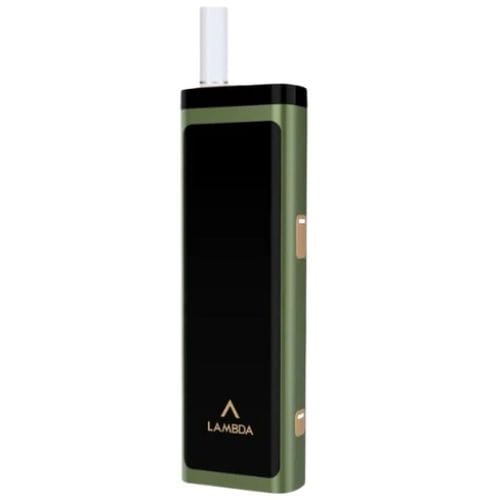
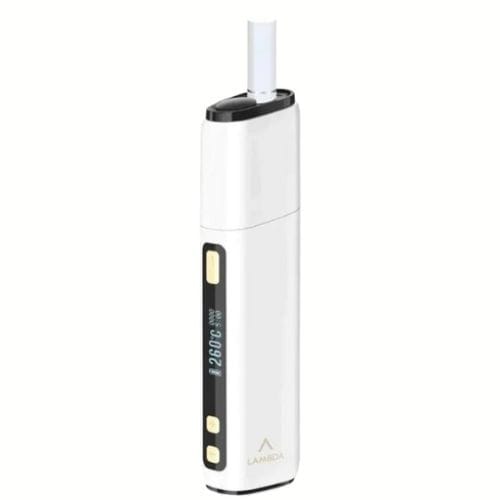
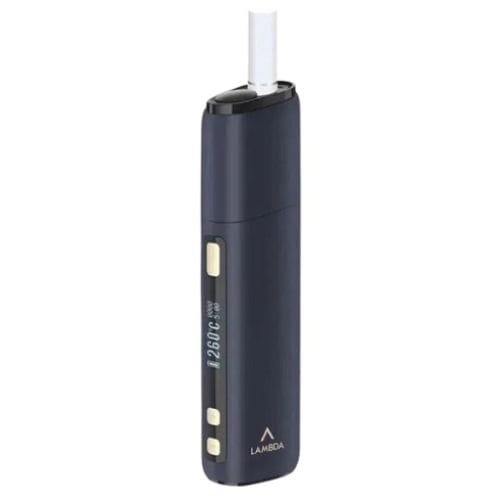

Black is the default finish in the Lambda CC range and the most bought of the six, a neutral matte-leaning tone at home anywhere.
The device is the standard CC platform: titanium steel alloy heating blade, OLED HD display, 200 to 300°C adjustable, 3 to 6 minute sessions, 3200 mAh battery, magnetic cap, auto cleaning, 73 grams.
The Blade Is the Device: A Care Guide
On an induction device, no single component decides the lifespan; the battery ages and everything else mostly endures. On a blade device, one part decides everything, and this page is the guide to keeping it alive.
Why blades died, historically. The blade generation of IQOS devices, the 3 DUO above all, mostly ended the same way: a snapped blade. The blades of that era were ceramic-coated and brittle, and they broke from two causes, both avoidable in hindsight. Twisting: a stick rotated during insertion or removal puts lateral force on a part designed only for straight in, straight out. And cleaning: a pick, a paperclip or an aggressive scrape against a brittle blade, usually while trying to clear stubborn residue. When the blade went, the device went, because it was not a serviceable part.
What the CC changes, in hardware. Two things. The blade is titanium steel alloy, dramatically tougher than ceramic-coated blades against exactly the lateral forces that killed them; LAMBDA’s marketing says “never break,” and while nothing mechanical earns the word never, the material class is genuinely a different proposition. And it is a replaceable part: the worst case is a spare part, not a dead device. Between the two, the historic failure mode has been engineered from fatal to unlikely-and-recoverable.
🗡 How Blades Died, and What the CC Changed
Killer one: the twist
A stick rotated during insertion or removal puts lateral force on a part built for straight in, straight out. The CC’s answer is the magnetic cap, which removes the twist from the routine entirely.
Killer two: the cleaning scrape
A pick or paperclip against a brittle ceramic-coated blade, chasing stubborn residue. The CC’s answer is auto cleaning, which burns the residue off before anyone is tempted by metal tools.
And the two hardware backstops
The blade itself is titanium steel alloy, a different class of tough from that era’s ceramics. And it is a replaceable part, so the worst case is a spare, not a dead device. The historic failure went from fatal to unlikely-and-recoverable.
Nothing mechanical earns the word never. The engineering halved the risk; the habits below handle the rest.
What remains yours to do. Hardware halved the risk; habits handle the rest.
Straight in, straight out, always. The magnetic cap exists precisely so removal never needs a twist: lift the cap, lift the stick vertically, done. If a stick ever resists, stop, work the cap fully clear, and lift again rather than rotating.
Brush, never scrape. The supplied brush around the blade, with the device cool, clears what the auto-cleaning function has loosened. Nothing metal ever goes near the blade: no picks, no pins, no paperclips. The residue that tempts people toward metal tools is residue the auto-clean should have handled first, so run the cycle before reaching for anything.
Let auto-cleaning do the heavy work. The function burns residue off the blade, which is exactly the buildup that used to drive aggressive manual cleaning. Run it per the manual’s interval, with no stick inserted, and the brush’s job stays light.
Cool before everything. Cleaning, brushing, cap fiddling, inspection: all of it waits until the device is fully cool. A warm blade is both easier to damage and easier to be hurt by.
That is the whole discipline: vertical sticks, soft tools, the cycle on schedule, patience on temperature. Owners who keep it report the CC outliving every blade device they had before it, which is what the engineering was for.
📋 The Whole Blade Discipline, Four Lines
Owners who keep these report the CC outliving every blade device before it.
1 Vertical sticks, always
Straight in, straight up and out. If a stick resists, work the cap fully clear and lift again. Rotation is never the answer.
2 Soft tools only
The supplied brush, light strokes, around the blade. No picks, pins or paperclips, ever. Residue that tempts metal is residue the auto-clean should have met first.
3 The cycle on schedule
Auto-clean per the manual’s interval, empty chamber, and the brush’s job stays a light sweep forever.
4 Cool before everything
Brushing, cap handling, inspection: all of it waits minutes, not seconds. A warm blade is easier to damage and easier to be hurt by.
Technical Specifications
| Specification | Detail |
|---|---|
| Model | LAMBDA CC |
| Colour | Black |
| Heating | Titanium steel alloy heating blade |
| Blade | Replaceable part |
| Display | OLED HD |
| Working temperature | 200 to 300°C, adjustable |
| Session time | 3 to 6 minutes, adjustable |
| Auto cleaning | Yes |
| Stick removal | Embedded magnetic cap |
| Battery | 3200 mAh |
| Heatsticks per charge | 35 to 40 |
| Input | 5V, 2A |
| Port | USB Type-C |
| Charge time | Approximately 2.5 hours |
| Dimensions | 106.5 x 29.5 x 21.5 mm |
| Weight | 73 g |
| Materials | PEEK, PPSU, PC |
| Sticks | HEETS, Marlboro HeatSticks, Parliament, Fiit |
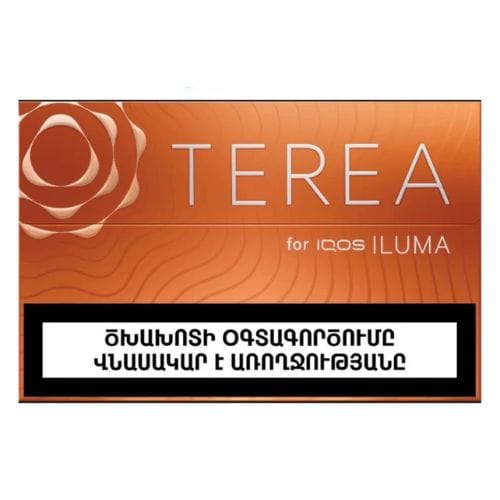
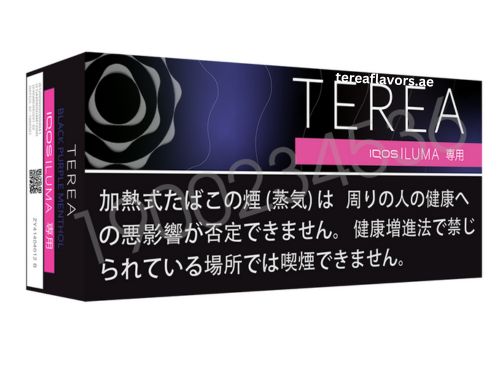
| TEREA | Not compatible |
| Adaptor | Not included |
What Comes in the Box
- 1 x Lambda CC in Black
- 1 x cleaning brush
- 1 x USB Type-C cable
- 1 x user manual
- 1 x QC card
Note specific to this colour: residue and stray tobacco around the cap area hide against black, so treat the auto-clean interval as a schedule rather than waiting for a visual prompt. The brush takes two gentle minutes; the schedule is what makes it stay two minutes.
How to Use It
- Charge fully before first use, around 2.5 hours over USB Type-C.
- Power on and check the OLED display.
- Set the working temperature, 200 to 300°C.
- Set the session time, 3 to 6 minutes.
- Remove the magnetic cap, insert a HEETS-format heatstick straight down, refit the cap.
- Start heating and wait for the ready indication.
- Use for the set duration. The session ends automatically.
- Lift the cap, lift the spent stick straight up. No rotation, ever.
Compatibility
HEETS in all variants, Marlboro HeatSticks, Parliament heatsticks and Fiit. TEREA does not run in blade devices and should never be inserted; TEREA users belong with the Lambda i8, i9, i10 or ILUMA i, with our TEREA range covering that format.
Storage and Care
Below 60°C always, never in a parked UAE car in summer. The full blade discipline is above; the exterior asks only a dry cloth, with black showing lint and skin oil more than Grey and hiding scratches less than it hides smudges.
Other Colours
- Army Green, Gold, Grey, Red and White
- The Lambda CC collection
- The induction side: Lambda i8, i9, i10 and the full Lambda range
Delivery: Same-day delivery in Dubai, next-day across Abu Dhabi, Sharjah, Ajman, Al Ain, Ras Al Khaimah, Fujairah and Umm Al Quwain.
Frequently Asked Questions
Can the CC’s blade actually break?
Anything mechanical can, but titanium steel alloy is a different class of tough from the ceramic-coated blades that snapped in the IQOS 3 DUO era, and if the worst happens, the blade is a replaceable part rather than the end of the device.
What broke blades on older devices?
Two things above all: twisting sticks during insertion or removal, and metal tools scraping a brittle blade during cleaning. The CC answers the first with the magnetic cap and the second with auto cleaning, and both habits remain worth keeping anyway.
How do I clean around the blade?
Run the auto-cleaning cycle first, per the manual, with no stick inserted. Then, with the device fully cool, the supplied brush around the blade with light strokes. Nothing metal, nothing wet, nothing while warm.
How often should I brush it?
A light brush-out every pack or two keeps ahead of buildup, with the auto-clean cycle carrying the heavy work on the manual’s interval. Heavy high-temperature use shortens both intervals a little.
Where do I get a replacement blade?
Through the seller you bought the device from; as a third-party device the CC’s parts run through LAMBDA’s channel rather than IQOS support. Confirm availability at purchase if long ownership is the plan.
Does the blade affect how many heatsticks I get per charge?
The 35 to 40 rating is the platform’s, and the same settings logic applies as everywhere in the family: sustained 300°C sessions land at the bottom of the range, moderate settings at the top.
My old 3 DUO blade snapped mid-stick. Can that happen here?
The forces that did that, lateral twist against a brittle blade, meet a much tougher material here and a cap designed to remove the twist from the routine entirely. Keep sticks vertical and the scenario has little left to work with.




Reviews
Clear filtersThere are no reviews yet.